
How Many Solar Panels Can I Fit On My Roof?
Many homeowners are interested in using solar energy but often don’t know how many solar panels their roof can hold. This mainly depends on a few specific factors unique to each home. This article will provide practical insights and guidance to help you understand this better.
With many years of experience working with renewable energy, especially solar PV systems, we at Danlec know how to make solar installations efficient and effective. Our experience includes designing and setting up photovoltaic systems for both residential rooftops and large solar farms.
Key Takeaways
Factors to Consider for Solar Panel Placement
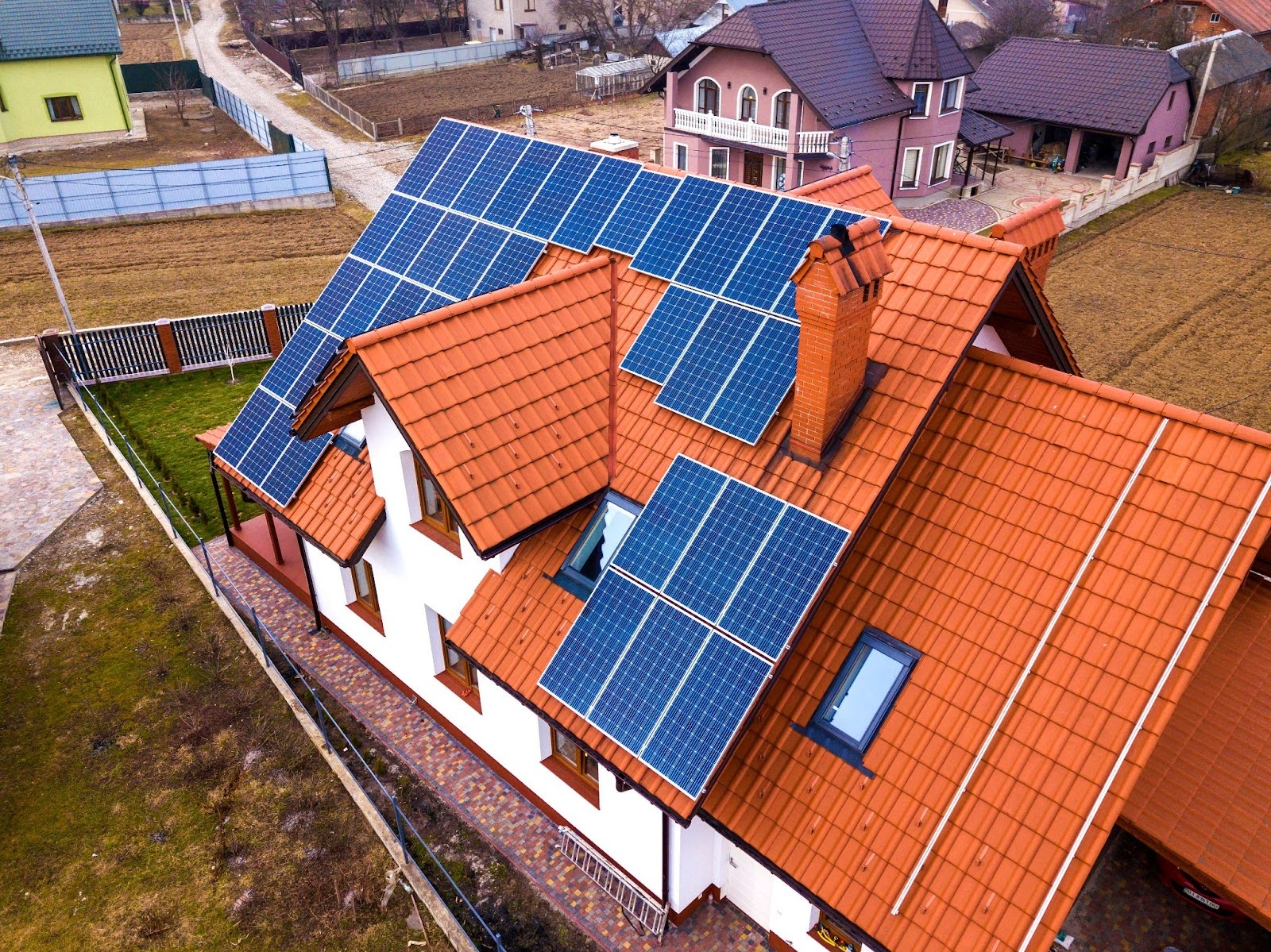
When installing solar panels, it’s crucial to assess your roof size and shape, its orientation for optimal sunlight exposure, the level of shade it receives, and whether any permissions are needed. This evaluation guides the efficient placement of solar panels to maximise energy production.
Roof size and shape
Your roof’s size and shape play a huge role in determining how many solar panels you can install. Large, flat roofs offer more space for solar panels than smaller or irregularly shaped ones. A bigger rooftop means you could fit more panels, increasing your clean power production.
Angles and slopes on your roof affect sunlight exposure. Ideally, rooftops facing south catch the most solar radiation—key for maximum energy production from your panels. If your roof leans towards the north, don’t worry! Advances in solar technology and smart modules adapt to different conditions, making it possible to harness solar power efficiently no matter the direction.
Roof orientation
After considering the size and shape of your roof, think about its direction. The way your roof faces can make a big difference in how much solar electricity you produce. Roofs that face south catch more sunlight than those facing north, leading to higher solar energy production. East or west-facing roofs can still work well but might generate less power.
Amount of shade
Shade plays a big part in where you put solar panels on your roof. Trees, buildings, and even chimneys can block sunlight from hitting the panels. Less light means less electricity produced by your solar system. You should check which parts of the roof get the most sun throughout the day and year.
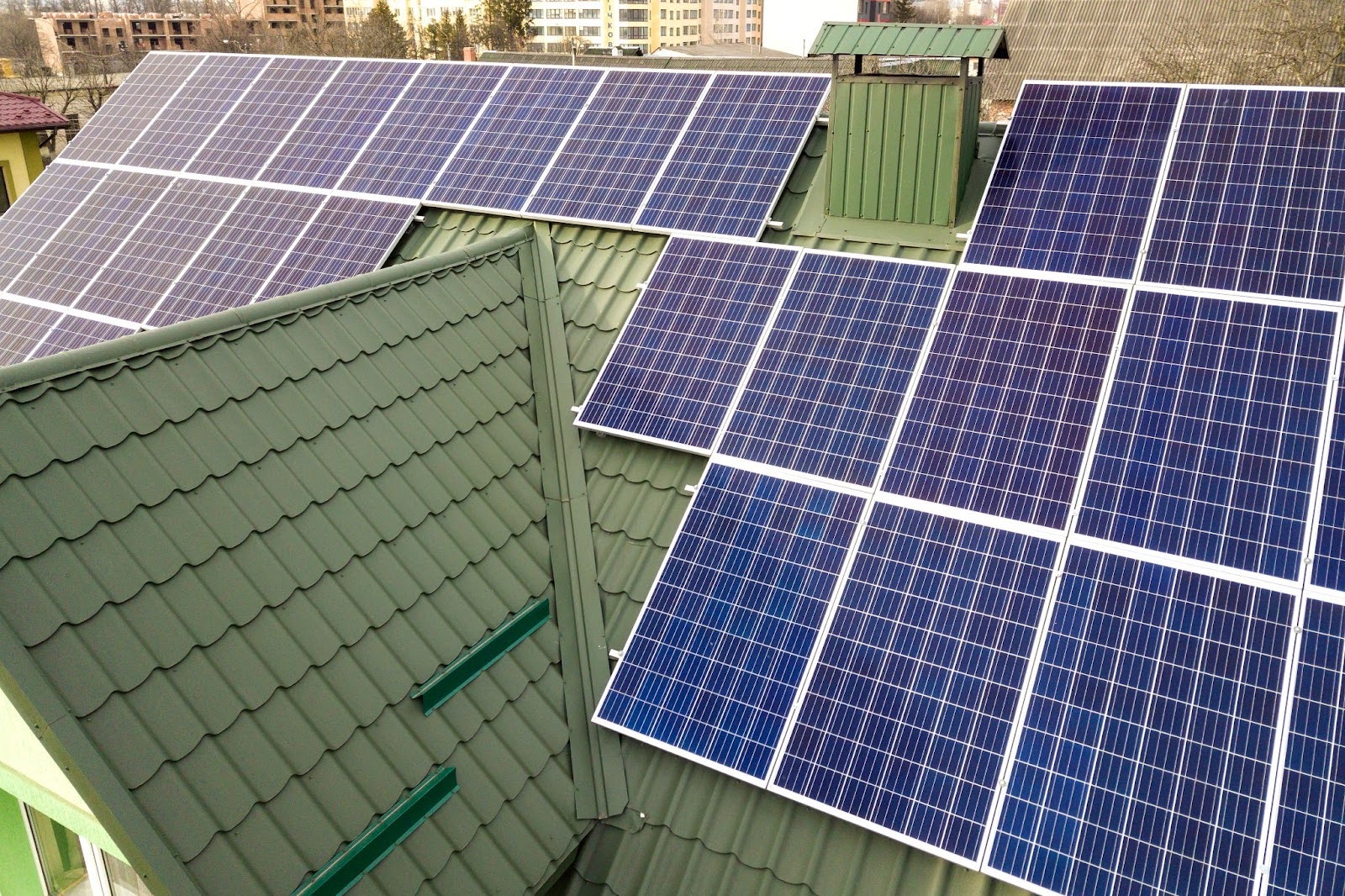
Using solar tracking can help make the most of available sunlight, but it’s not right for every roof. Solar trackers follow the sun as it moves across the sky, increasing direct exposure to sunlight. This boosts power output from your solar panels.
Need for permissions
Before installing solar panels on your roof, you must check with local authorities for the necessary permissions. Different areas have unique rules about building and electrical systems. These rules ensure your solar installation is safe and compliant with local laws. You might need to apply for a building permit or get approval from planning departments.For a smooth process, it helps to work with an experienced installer who understands solar regulations and can navigate the permission landscape easily.
GET SOLAR PANELS INSTALLED TODAY
Benefits of Solar Panels
Lower electricity bills
Installing solar panels on your roof leads to lower electricity costs. With every beam of sunlight, your home generates free energy. This cuts down on how much power you buy from the grid. Your electric bills drop as a result.
Adding things like battery storage lets you keep surplus power for later use. Even at night, you can use solar energy instead of paying for grid electricity. Imagine driving an electric vehicle powered by the sun or heating your home with no extra bill shocks during winter—all possible with solar panels and smart planning.
Reduced carbon footprint
Using solar panels lowers your home’s carbon footprint. This means you make less pollution that causes climate change. Solar panels on your roof turn sunlight into electricity without harmful emissions. This clean energy replaces the need for power from fossil fuels like coal and gas, which hurt our planet.
Maximising Solar Panel Usage
Maximising solar panel usage involves adding a battery storage system to store excess energy for later use. Solar power can also be utilised for heat pumps and electric vehicles, further reducing your reliance on traditional grid electricity.
Adding a Battery Storage System
You can enhance your solar panel setup by adding a battery storage system, which allows you to store excess energy for use during peak times or when the sun isn’t shining. This maximises your energy usage and reduces reliance on the grid, ensuring a more consistent power supply.
Using solar power for heat pumps and electric vehicles
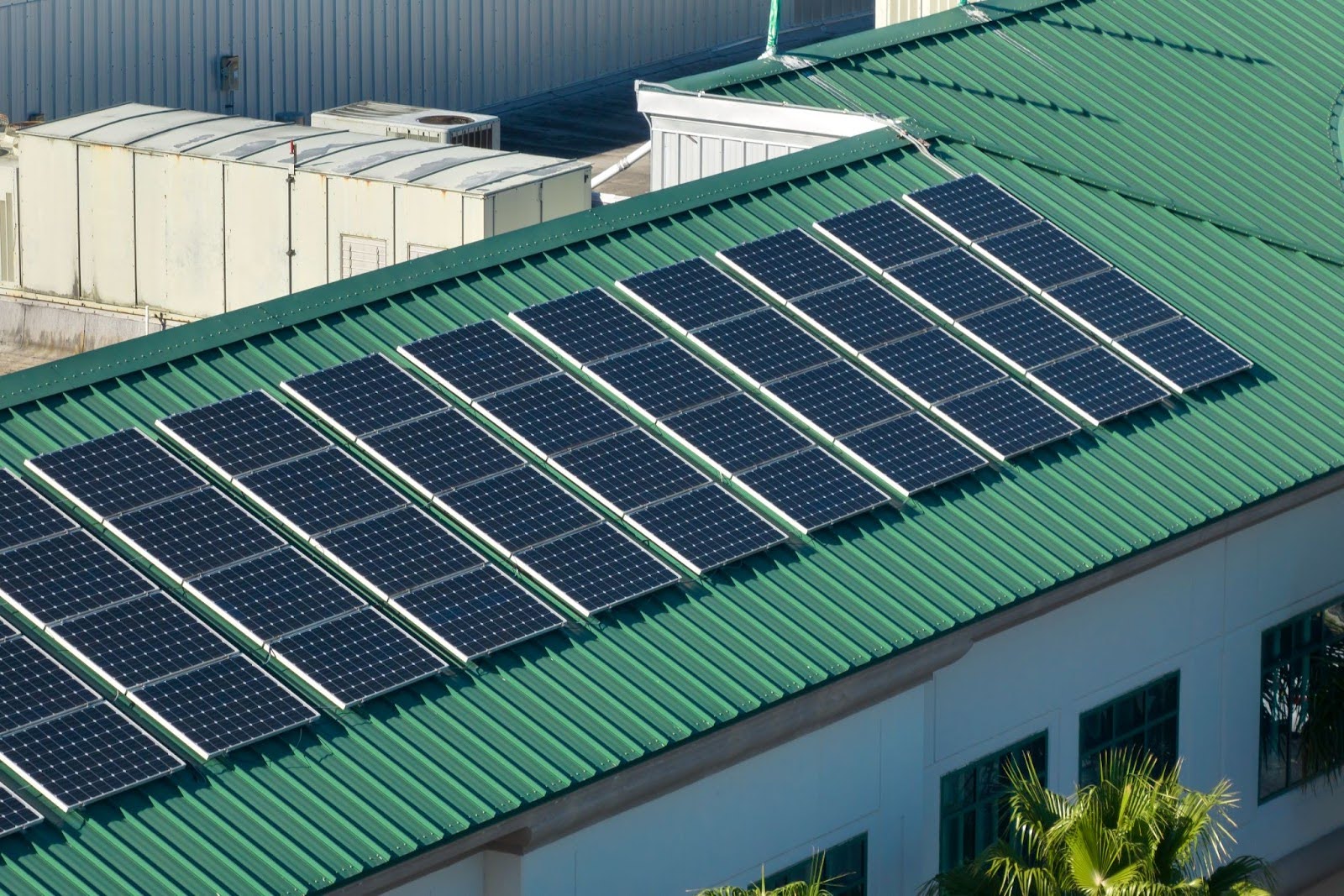
Solar power can be harnessed to run heat pumps and charge electric vehicles, reducing your reliance on traditional electricity sources. By connecting your heat pumps and EV chargers to solar panels, you can significantly lower your energy bills while also contributing to environmental sustainability.
Maintenance and Sustainability of Solar Panels
Maintaining solar panels is crucial for long-term sustainability. Regular cleaning and inspection ensure optimal performance. Reach out to our team for expert maintenance guidance.
Longevity and Durability
Solar panels are built to last, with a typical lifespan of around 25 to 30 years. Their durability comes from sturdy materials like toughened glass and corrosion-resistant frames, designed to withstand harsh weather conditions. Regular maintenance, such as cleaning the panels every few months, can help ensure optimal performance over time.
Maintenance requirements
To ensure your solar panels continue to function efficiently, regular cleaning is necessary. Use a soft brush or sponge and soapy water to remove debris and dirt from the surface. Inspect the panels for any signs of damage or wear, such as cracks, and contact a professional if needed.
Waste and recycling options
When it’s time to dispose of or replace solar panels, it’s important to consider recycling options. Solar panel components like glass and aluminium can be recycled, reducing environmental impact. Several manufacturers provide recycling programs for end-of-life solar panels, making responsible disposal hassle-free for customers.
Solar Panel Installation with Danlec!
Consider your roof size, orientation, and shade for effective solar panel placement. Maximise benefits by lowering electricity bills and reducing your carbon footprint with solar panels. Add a battery storage system to optimise solar panel usage. Ensure the longevity and durability of your panels through regular maintenance.
Want to know how many solar panels your roof can accommodate?