
DANLEC BATTERY STORAGE
Choose the system.
Then choose the size.
The best fit depends on what you already have, what you want to power and whether backup matters. Brand and headline kWh are only part of the decision.
Three routes to home battery storage
1
AC-coupled storage
A dedicated battery inverter connects to the home’s AC electrical system. A useful route for battery-only grid charging or adding storage alongside an existing solar inverter.
2
DC-coupled or hybrid
The battery works with a compatible hybrid inverter, often combining solar and storage conversion in one design. Relevant when installing new solar or replacing a suitable existing inverter.
3
A specialist solar retrofit
Some products connect on the PV side of an existing solar system. These need their own compatibility assessment; grid charging and backup cannot be assumed.
Battery-only still needs a complete system
Battery-only means no solar panels are needed for a suitable grid-charging installation. It does not mean every battery product can be installed on its own: the inverter, controls and metering must form a compatible system.
Capacity and power: two different jobs
The store available to use over time.
The load the system can supply at once.
kWh is the amount stored
Compare usable energy, rather than just nominal capacity. Backup reserve and operating conditions can reduce the energy available for everyday use.
kW is the rate of supply
The inverter and battery together limit how many appliances can run from storage at once. The grid normally supplies any additional demand when available.
Charging power matters too
A large battery is less useful if it cannot refill in your cheap-rate window. Check charging limits, spare supply capacity and other overnight demand.
Illustration only: 10kWh available to the home would cover a steady 1kW load for about ten hours before allowing for losses or reserve. That does not mean the same system can supply a 10kW appliance. Your household demand varies throughout the day.

How the main battery systems compare
These are system families to discuss, rather than a promise that every model is suitable or stocked. We confirm the exact UK inverter, modules, controls and warranty documents in the quotation.
Tesla Powerwall 3
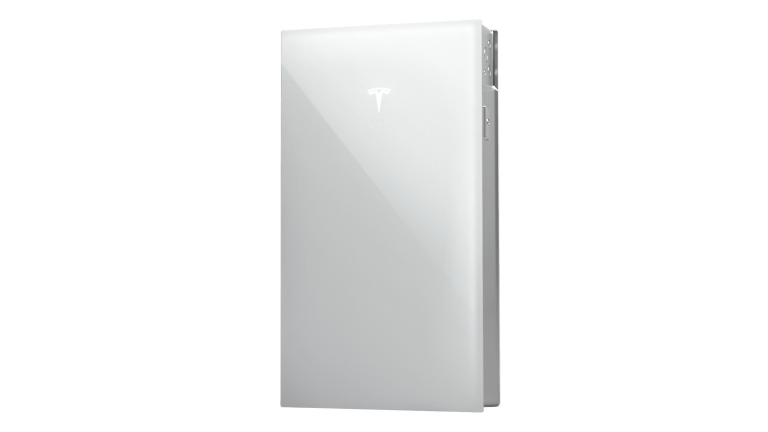
- An integrated battery and inverter with 13.5kWh of energy capacity per main unit.
- It can suit battery-only or solar-connected designs.
- UK documentation includes supported Expansion units and Backup Gateway 2 arrangements; expansion storage and extra inverter power are different decisions. Check the backup detail.
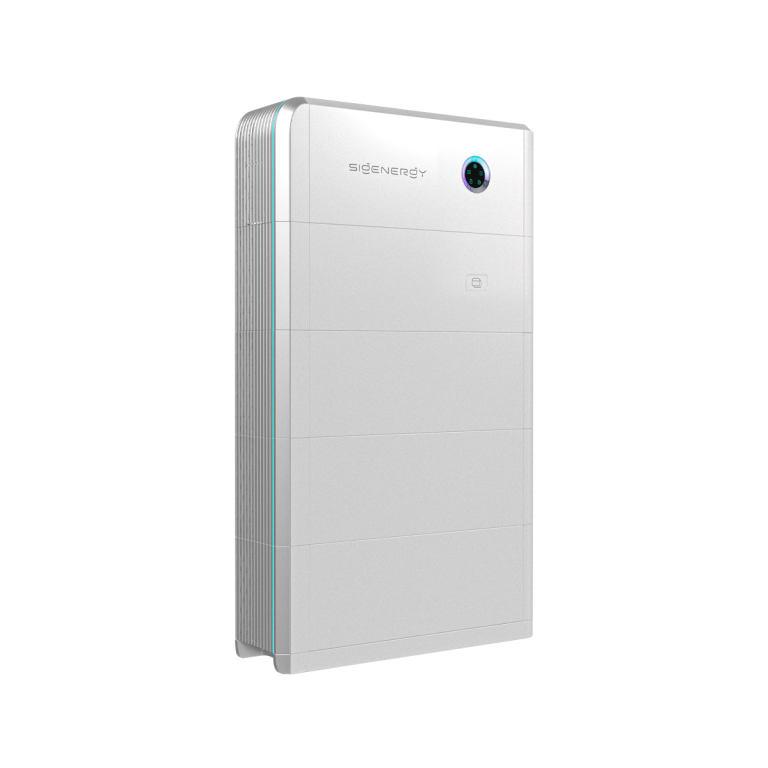
Sigenergy SigenStor
- A modular system with battery modules and an appropriate energy controller or AC configuration.
- It can be designed around storage alone or solar plus storage.
- Backup uses a compatible Sigen Energy Gateway.
- Ask for the actual module generation and usable capacity.
EcoFlow OCEAN 2

- Our current EcoFlow range is OCEAN 2, with modular battery storage.
- The OCEAN 2 range includes backup-capable systems. We check the exact inverter, battery modules, loads and installation design before confirming backup operation.
- PowerOcean and PowerOcean DC Fit are earlier product families. Their features and upgrade compatibility must be checked separately from OCEAN 2.
Fox ESS: a useful comparison, with a clear distinction
Fox ESS offers modular battery ranges including EP5 and EP11, used with compatible inverters. They are worth understanding if they appear in another quotation. Compare the complete installation scope as well as the battery capacity.
How we use this comparison
Danlec does not normally install Fox ESS. We include it here for comparison, rather than presenting it as a standard Danlec offering. This page does not imply Fox ESS accreditation, availability or a Danlec product-warranty arrangement.
Can you add more storage later?

Position, access, cable routes and the existing electrical installation all affect the finished system. A product photograph shows the equipment; a survey establishes how it fits your property.
- Often, within the chosen manufacturer’s rules.
- Check the maximum number of modules, supported generations, inverter limits, physical layout and how older and newer modules may be combined.
- A stackable appearance is not proof that different battery models or brands can work together.
Adding capacity may extend running time while leaving discharge power unchanged. Adding another inverter is a different electrical change and may require a fresh network assessment. A planned future EV or heat pump is worth discussing before the initial design.
Existing solar
Share the inverter model, panel details, any export limitation and existing network paperwork. We can assess an AC retrofit and any appropriate hybrid or specialist route.
No solar
Start with your tariff, household consumption and cheap charging period. A suitable AC-coupled system can operate without a roof installation.
Backup is essential
Decide which circuits matter, check starting loads and confirm whether your supply is single-phase or three-phase. Equipment selection follows that brief.
You do not need to arrive with a model number.
Tell us what you want to achieve and what is installed already. We’ll explain compatible options and the complete installation scope.
Prefer a conversation? 01909 483905
Sources & further reading
Technical sources checked 17 October 2026. Product generations, tariffs and connection requirements can change; your quotation confirms the proposed system.
- Tesla: UK Powerwall 3 technical specifications
- Sigenergy: SigenStor system
- Sigenergy: Energy Gateway Home user manual
- EcoFlow: OCEAN 2 Single-Phase (UK)
- EcoFlow: previous-generation PowerOcean Single-phase (UK)
- EcoFlow: Gateway Single-Phase (UK)
- EcoFlow: retrofit battery options and DC Fit limitations
- Fox ESS: EP5 manufacturer datasheet