
Cut peak bills.
With home storage.
Store off-peak power or spare solar. Use it when you need it.
No obligation. Final quote after review.
Read Danlec customer reviews on Trustpilot
To show the live rating here, allow Marketing cookies in Manage consent.
More control over the energy you buy.
A battery shifts when you buy or use electricity. The right setup can reduce peak-rate imports, keep more of your solar for later and support the way your home uses energy.
Use a cheaper charging window
Charge during lower-price periods on a suitable tariff, then use the stored electricity when it is more useful.
Make more of existing solar
An appropriate retrofit can store spare daytime generation for later household demand.
Build on what you have
If your existing system supports it, extra compatible modules can give you more storage as your needs change.
Plan for power cuts
Ask about optional backup for the circuits that matter most, using the right equipment and a suitable design.
The value depends on your usage, tariff, system losses and installation. We’ll explain those assumptions before you commit.

ESTABLISHED IN 2015 · WORKSOP-BASED
Good advice before.
Support after.
Choose a team that explains the choices, confirms the scope and helps you get comfortable with your system.
Read the Shireoaks solar and battery case study
“great team, knowledgeable, courteous and very tidy!”
Chris Burnham · Solar and battery installation
Trustpilot review, 25 September 2026 · excerpt
“Excellent service throughout from quote to installation.”
Gordon · Installation service
Trustpilot review, 10 September 2026 · excerpt
A clear written scopeYour quotation sets out the proposed equipment and installation before you commit.
Designed around your homeWe check usage, tariff, existing equipment and any backup needs.
Help after installationCommissioning, a practical handover, a next-day call and ongoing advice.
Reviews cover several services; each excerpt identifies the experience described. Read more customer experiences →
The right battery.
Matched to your home.
You do not need to arrive knowing a brand or capacity. We start with how much electricity you use, when you use it and what you want to change.

No solar? Still an option.A compatible battery can charge from the grid on a suitable tariff. We check the numbers against your household demand.
Already have solar or storage?We check retrofit or expansion compatibility before recommending a system.
Compare the product families
Choose the equipment with us
Product-family examples shown. Final equipment, capacity and configuration are confirmed in your quotation.
Tesla Powerwall
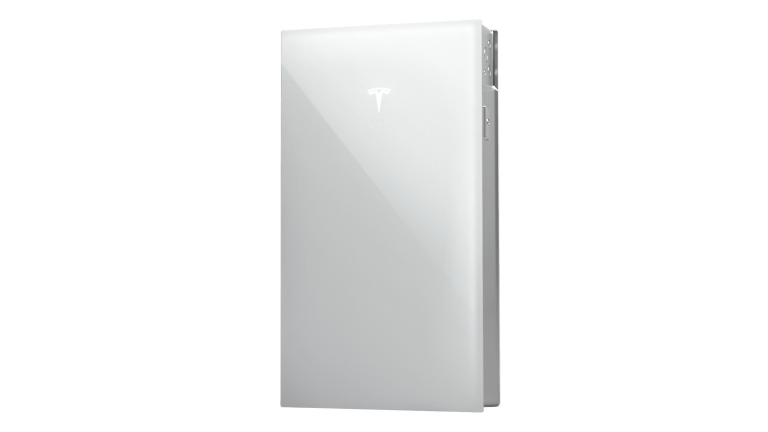
Powerwall 3 combines battery storage with an integrated inverter. Discuss battery-only, solar-connected and supported expansion or backup designs.
Sigenergy SigenStor
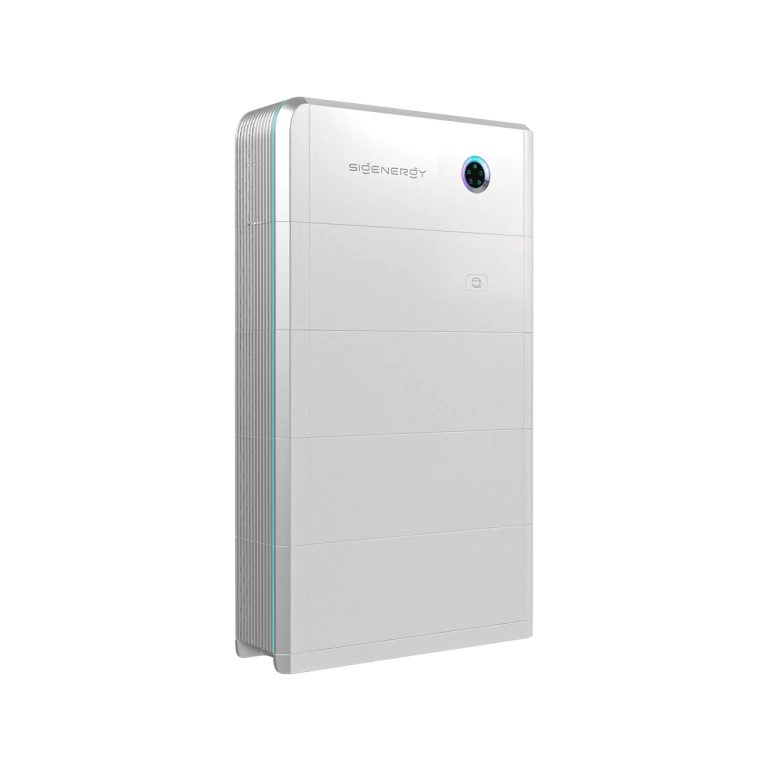
A modular approach with compatible controllers and batteries, designed around your storage, solar and optional backup needs.
EcoFlow OCEAN 2
Our current EcoFlow range is OCEAN 2, a modular home-battery system. We check the appropriate configuration for your home and any backup requirement.
Already have an EcoFlow PowerOcean system? PowerOcean is the previous generation. Tell us your model so we can check compatibility before recommending an upgrade or expansion.
You do not need to choose a brand before speaking to us: usable capacity, power and compatibility come first.
See Powerwall 3 and the official monitoring app
THE EQUIPMENT. THE SETTING. THE APP.
See what home storage can look like.
A closer look at Powerwall 3 and Tesla’s monitoring app. Manufacturer examples show the product and its intended use; your survey confirms the right location and layout.

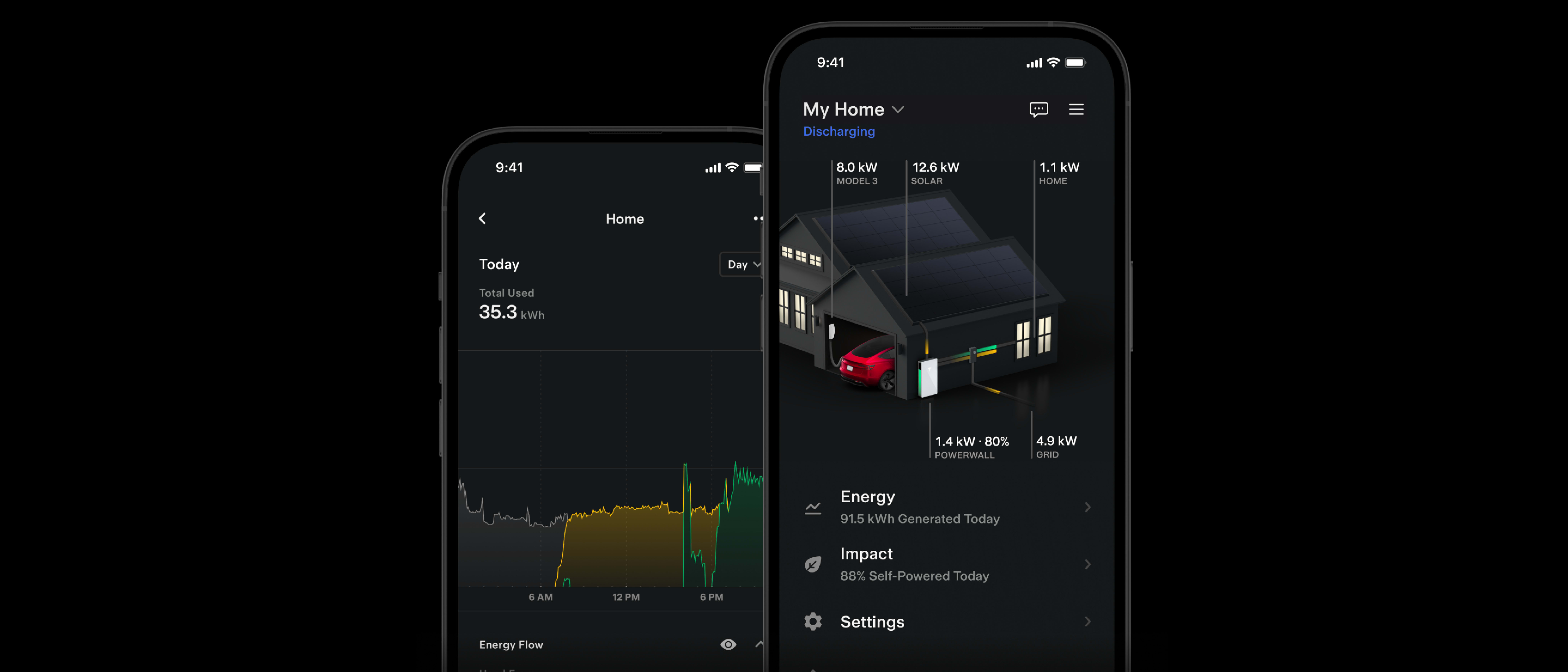
Manufacturer images are shown for product context. These are not photographs of Danlec installations.
A straightforward route to your battery quote.
1
Tell us about your home
- Answer the questions about your home, then request a quote for a suitable option.
- Our team reviews the enquiry and arranges the appropriate remote or in-person survey.
2
Agree a clear quotation
- We confirm the specification and final installation quotation. Requesting a quote does not commit you to buying.
- Where prior DNO approval is required, we obtain it before taking a deposit.
3
See your system working
- We install, commission and demonstrate the agreed features.
- We call the next day and provide ongoing advice and support.
Will it make financial sense?
Start with your usage and tariff.
A bigger battery is not automatically a better investment. Your cheap-rate window, household demand, efficiency and installed cost determine the value. We explain the assumptions before you commit.
See illustrative savings and a simple-payback check
WHAT COULD THE DIFFERENCE LOOK LIKE?
Buy at a lower rate.
Use it when power costs more.
The gap between your charging rate and the price you avoid is what matters. Here are three worked battery-only examples, with the same household use in each.
Illustrative annual energy-cost difference
After charging losses, before other costs. These are scenarios, not available tariff offers or a forecast for your home.
Smaller price difference£200
Middle example£453
Larger price difference£653
Same assumptions in all three: 8 kWh delivered to the home per use-day, 300 use-days per year and 90% round-trip efficiency. Delivering 8 kWh needs about 8.89 kWh of charging.
Put your quotation in context
An optional simple-payback check. Use your actual total installed quote; no package price is assumed.
£50 is an editable illustration, not a measured running cost. Consider extra tariff fees, standby consumption, maintenance and a reserve for wear or replacement.
Simple payback assumes the same annual result continues. It is not a lifetime return: finance, changing tariffs, declining capacity and replacements can change the outcome.
See the calculation and what could change it
Annual energy-cost difference = delivered kWh × use-days × [peak import price − (charging price ÷ round-trip efficiency)]. The middle example is 8 × 300 × [£0.30 − (£0.10 ÷ 0.90)] = £453.33/year. Subtracting the illustrative £50 annual allowance gives £403.33.
This assumes sufficient usable battery capacity, charge/discharge power, a long enough cheap-rate window and enough higher-price demand on every use-day. The remainder of household demand and standing charges are not eliminated. Lower use, losses, reserve settings, tariff eligibility, added fees and battery ageing can reduce the result. No solar generation or export income is included.
Already have solar? Compare storing with exporting.
A battery can keep surplus solar for later, but that energy cannot also earn an export payment. At an illustrative 30p avoided import rate, 12p export rate and 90% storage efficiency, storing 1 kWh of spare solar provides 0.9 kWh later: 27p of avoided import less 12p of foregone export = 15p incremental benefit before other costs.
That 15p is a worked storage benefit, not a promised export tariff. Octopus currently lists 12p/kWh for Outgoing, subject to eligibility and tariff terms. Solar export payments require an eligible installation and supplier agreement; a battery by itself does not qualify as SEG generation. Check Octopus terms · Ofgem eligibility. Checked 17 October 2026.
HOW IT WORKS
Charge earlier. Use it later.
Solar, storage and the grid.
Four possible routesIllustrative routes shown one at a time, not live readings or simultaneous import and export.
1. Solar generation → batterySpare solar can charge a compatible battery for later.
2. Grid import → batteryCharge during a suitable lower-price tariff window.
3. Battery → home supplyStored energy supplies your home within the system’s limits.
4. Battery → grid exportExport needs a compatible system, suitable export tariff and required network permissions.
Want backup as well?
A battery needs a supported backup design to work during a power cut. Tell us which circuits matter most and we’ll explain the equipment, capacity and limits.
See how a compatible backup system is arranged
Power-cut backup?
Make it part of the plan.

Stored energy. Safe isolation.
The circuits you agree.
Powerwall 3 includes its inverter. A compatible Backup Gateway detects a grid outage and isolates the home so a correctly designed system can supply the agreed backup circuits.
Your design sets which loads are backed up and for how long. Usable energy, power limits, reserve settings and the appliances running all matter.
A battery does not automatically keep the lights on in a power cut. A supported backup design needs the right gateway or changeover equipment, agreed circuits and enough energy and power for the loads you want to run.
Start with what matters in a power cut
Tell us what matters most: refrigeration, lighting, your router or a wider set of circuits. We’ll explain what is suitable and what the system can realistically keep running.
Before you take the next step
Can I have a home battery without solar panels?
Yes, a suitable AC-coupled system can charge from the grid without solar panels. It needs the correct inverter, controls and metering. Whether it is worthwhile depends on your consumption, available tariff and installation cost. See battery-only benefits and limitations.
Can I add a battery to existing solar?
Often. An AC-coupled battery can work alongside an existing solar inverter, while a hybrid or specialist PV-coupled route may be appropriate in other cases. We need the existing equipment details, electrical layout and network paperwork before recommending a design. Compare the connection types.
Will my battery work in a power cut?
Only if the installed system includes a supported backup arrangement. A normal grid-connected system must not be assumed to supply the home after grid failure. Our backup guide explains gateways and isolation.
Does requesting a quote commit me to buying?
No. Our team reviews your enquiry and confirms the specification and final quotation before you decide whether to proceed. The quote journey shows indicative options; we confirm your final installed quotation after review.
Find out what a battery
could do for your home.
Tell us what you already have and what you want to achieve. We’ll help you compare suitable options and confirm a tailored quotation.
No obligation to buy. Specification and final price confirmed after review.
Prefer to talk? 01909 483905
Technical sources and further reading
Sources & further reading
Technical sources checked 17 October 2026. Product generations, tariffs and connection requirements can change; your quotation confirms the proposed system.