
DANLEC BATTERY STORAGE
When the grid stops.
What keeps running?
A battery can provide home backup only when the installed system is designed for it. The gateway or changeover equipment, circuits, stored energy and power limits all matter.
How does battery backup work?
within its power limit
controls safe isolation
whole-home arrangement
1
Detect the outage
Compatible control equipment recognises that the normal grid supply is unavailable.
2
Isolate the home
The designed switching arrangement separates the backed-up installation from the public network. This prevents the battery feeding the disconnected grid.
3
Supply agreed circuits
The inverter forms a local electrical supply for the selected loads, within its operating limits and available stored energy.
When the grid returns, the system follows its reconnection process. Switching behaviour depends on the equipment and configuration. Do not assume every appliance will stay uninterrupted: a device that cannot tolerate a brief interruption may need a separate suitable UPS.
Whole home or the essentials?
Selected essential circuits
Prioritise lighting, refrigeration, communications and agreed sockets. This can make energy last longer and keep demanding appliances out of the backup arrangement.
Whole-home connection
More of the home’s circuits are connected to backup. You still need to manage simultaneous demand: a whole-home connection is not unlimited output or unlimited running time.
An EV charger, electric shower, cooker or heat pump can exceed the available power or use stored energy quickly. Motors and compressors can also have higher starting demand. We assess the loads you actually want to run, rather than judging suitability from annual electricity use alone.

Which systems have a supported backup route?
Official documentation supports the examples below. The exact UK model, supply phases, network conditions and installation design still need checking. A gateway’s current rating is not the battery’s off-grid power rating.
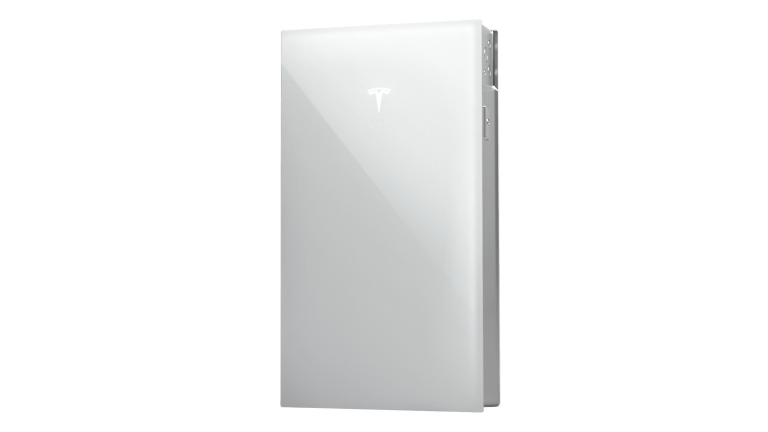
Tesla Powerwall 3 + Backup Gateway 2
- Tesla’s UK Powerwall 3 datasheet shows whole-home and partial-home backup arrangements with Backup Gateway 2.
- A non-backup configuration is also documented.
- Confirm the included configuration and the circuits it supports.
Sigenergy + Sigen Energy Gateway
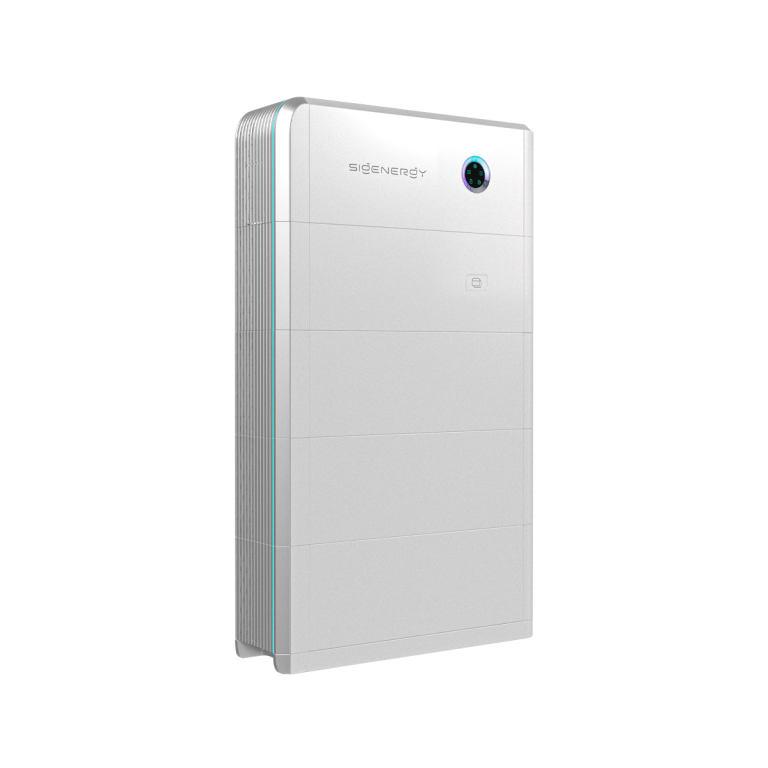
- Sigenergy’s Gateway Home manual covers storage-only and PV/storage applications, with whole-home and partial-home arrangements.
- Select the compatible controller, batteries and single-phase or three-phase gateway for the property.
EcoFlow OCEAN 2 backup options

- OCEAN 2 offers backup-capable systems. Confirm the exact product variant and any gateway or changeover equipment required for your installation.
- Match the inverter and battery configuration to the intended loads.
- The earlier PowerOcean DC Fit retrofit product does not offer emergency backup.
How long will backup last?
Energy sets the running time
Start with energy actually available when the outage begins. The battery may be partly charged, and some energy is held back by system settings or protection.
Power sets what can run together
Continuous output, surge limits, battery-module configuration and temperature can constrain supply. More storage is not automatically more discharge power.
Your choices change the result
Reducing non-essential demand can extend operation. Reserve settings trade some daily bill-management capacity for energy held ready for an outage.
A useful calculation, with real-world limits
Simple illustration: 8kWh available at the start of an outage divided by a steady 0.5kW demand gives 16 hours before losses and system limits. Real loads cycle and change, so this is a calculation example, not a promised backup duration.
Single-phase and three-phase backup are different designs. A battery connected to one phase should not be assumed to back up every phase or a three-phase appliance. We confirm the supply arrangement and any restrictions in the proposal.
Will solar recharge the battery during a power cut?
Only if the solar equipment is supported within the system’s islanded backup design. Panels being present on the roof is not enough: an ordinary grid-following solar inverter normally stops when the grid fails.
Supported DC-coupled solar or a specifically compatible AC-coupled arrangement may continue producing energy for the backup system. Generation, battery state and load must remain within the manufacturer’s limits. Do not assume an existing solar inverter will keep working with a new battery during an outage.
What should you budget for?
Treat published prices as context, not a national average or a Danlec quote. As checked on 17 October 2026, Octopus Energy advertised battery-only installation starting at £3,947 for 5kWh, £5,336 for 10kWh and £7,999 for a 13.5kWh Powerwall 3. These are another installer’s starting examples, subject to their own package and property conditions.
Energy Saving Trust’s guide, updated 6 October 2026, gives a broad battery-system range of £1,500–£10,000 and around £4,600 for 5kWh. That guidance does not define a complete installed whole-home backup scope, so it should not be used as one.
Confirm what is included
Battery capacity, inverter, metering, standard installation, commissioning, app setup and the specific backup or non-backup arrangement.
Allow for property-specific extras
A gateway or changeover unit, essential-circuit board, protection or earthing work, additional cabling, difficult routes, supply alterations and commissioning requirements can change the total.
Check VAT and exclusions
The above source prices are not a VAT calculation for your property. Qualifying installed domestic storage currently benefits from 0% VAT through 31 March 2027; eligibility and separately supplied work must be checked.
There is no honest universal “add £X for backup” figure across these systems. Some packages include relevant hardware, others do not, and the electrical work varies. Our survey leads to a specific quotation showing the equipment, backup coverage, extras and applicable VAT.
What we assess before recommending backup

Position, access, cable routes and the existing electrical installation all affect the finished system. A product photograph shows the equipment; a survey establishes how it fits your property.
- The essential appliances and circuits you want to retain, including starting loads.
- Your supply phases, consumer unit, existing protection and earthing arrangement.
- Available space, cable routes and the manufacturer’s installation requirements.
- Existing solar compatibility, network permissions and any export limits.
- The reserve you want to keep and the practical limits you are comfortable with.
Tell us what you would like to keep running.
We’ll assess whether selected circuits or wider home backup is suitable and explain the limits before you agree to the installation.
Prefer a conversation? 01909 483905
Sources & further reading
Technical sources checked 17 October 2026. Product generations, tariffs and connection requirements can change; your quotation confirms the proposed system.
- Tesla: UK Powerwall 3 technical specifications
- Tesla: what Powerwall can back up (UK)
- Sigenergy: Energy Gateway Home user manual
- EcoFlow: OCEAN 2 Single-Phase (UK)
- EcoFlow: Gateway Single-Phase (UK)
- EcoFlow: retrofit battery options and DC Fit limitations
- Energy Saving Trust: battery storage
- Octopus Energy: published battery-only installation examples
- HMRC: electrical storage batteries and VAT