
DANLEC BATTERY STORAGE
Your battery questions.
Clearly answered.
Start with the question that matters to you. These answers explain the practical choices, with links to the detailed guides when you want to go further.
Two quick answers
- Solar is optional for a suitable grid-charging battery system.
- Power-cut backup needs a supported backup arrangement; a battery alone is not enough.
Everyday use
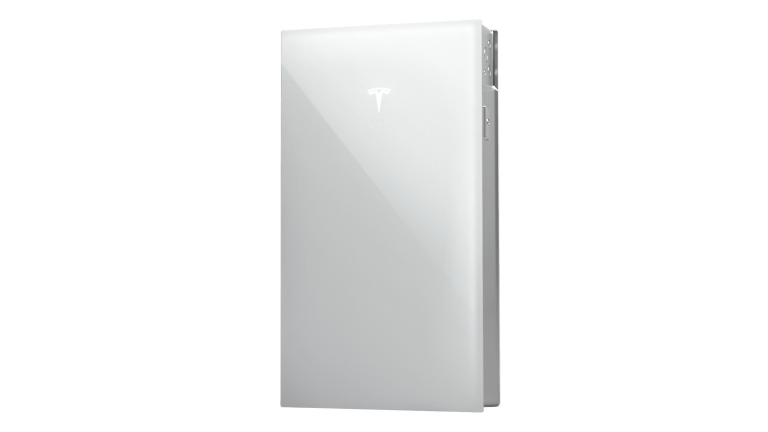
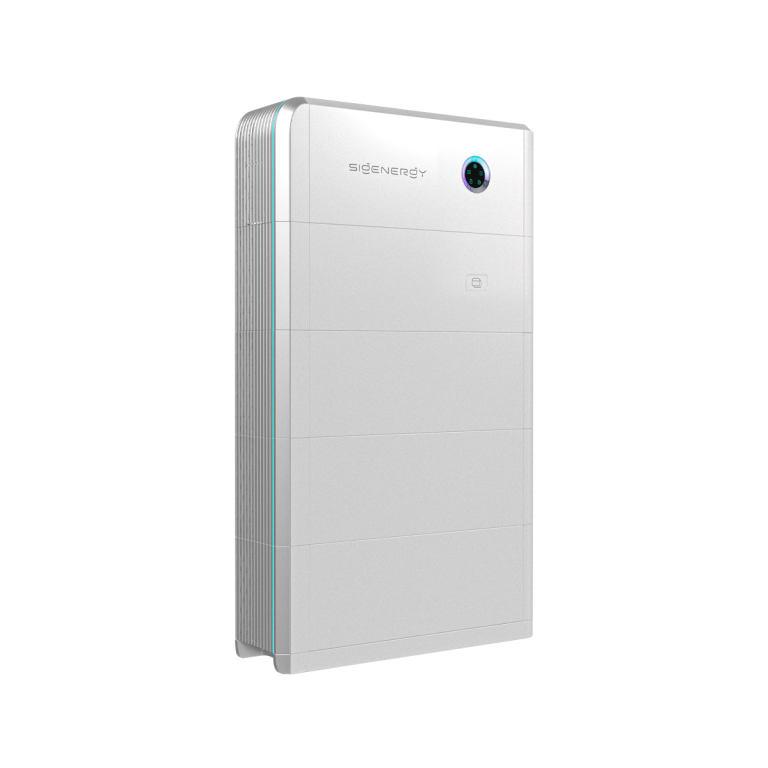

Product-family examples shown. Final equipment, capacity and configuration are confirmed in your quotation.
Can I have a home battery without solar panels?
Yes, a suitable AC-coupled system can charge from the grid without solar panels. It needs the correct inverter, controls and metering. Whether it is worthwhile depends on your consumption, available tariff and installation cost. See battery-only benefits and limitations.
How does off-peak charging work?
The battery is set to charge during lower-price periods and supply the home later, within its available energy and power. Compare the cost after charging losses with the import you avoid. Tariff schedules, eligibility and controls vary; cheap periods and future prices are not guaranteed.
Do I need a smart tariff or a particular energy supplier?
There is no single tariff requirement for every battery. Grid-charging savings generally need a useful price difference, while solar self-use can be relevant on other tariffs. Some automated supplier services support only named products. We check compatibility rather than assuming every app can control every system.
How much money will I save?
There is no reliable figure for every home. Import and export rates, usable capacity, cycling, household demand, losses, reserve settings and installed cost all matter. Ask for the assumptions behind any estimate and consider how it changes if tariffs or usage change.

Existing solar, size and expansion
The store available to use over time.
The load the system can supply at once.
Can I add a battery to existing solar?
Often. An AC-coupled battery can work alongside an existing solar inverter, while a hybrid or specialist PV-coupled route may be appropriate in other cases. We need the existing equipment details, electrical layout and network paperwork before recommending a design. Compare the connection types.
What is the difference between kWh and kW?
- kWh describes stored energy; kW describes power at a moment in time.
- You need enough energy for the period between charges and enough power for the appliances you expect to use together.
- More kWh does not necessarily increase output power.
Should I buy the biggest battery I can afford?
Not automatically. Capacity you rarely charge or use may provide little value. We consider usage between charges, charging-window length, solar surplus if relevant, backup reserve and realistic future demand.
Can I add battery modules later?
Possibly, within the manufacturer’s compatibility rules, maximum system size and installation requirements. Different product generations or brands may not mix. An inverter change or extra generation capacity may also alter the DNO assessment.
Can it run my EV charger or heat pump?
Potentially, but these loads can use a lot of power and stored energy. Starting demand, operating power, supply phases, inverter capacity and charge scheduling all matter. During an outage, they may need to be excluded or managed so essential circuits can keep running.
Power cuts and backup
within its power limit
controls safe isolation
whole-home arrangement
Will my battery work in a power cut?
Only if the installed system includes a supported backup arrangement. A normal grid-connected system must not be assumed to supply the home after grid failure. Our backup guide explains gateways and isolation.
Do I need a gateway?
Automatic backup needs compatible isolation and control equipment. This may be called a gateway, SmartBox or changeover arrangement, depending on the system. Its model and configuration matter; the battery brand alone is not enough to confirm backup.
Does whole-home backup mean I can use everything?
No. It describes circuit coverage, not unlimited power. Simultaneous demand and appliance starting loads must stay within the battery and inverter limits, and stored energy is finite. Selected essential circuits may be a better fit.
Will my solar keep generating during an outage?
Only if the solar inverter and wiring form part of a supported islanded design. Existing grid-following solar normally stops when the grid fails. We check the exact system rather than assuming any panels will recharge any battery during a cut.
How long will backup last?
Divide the energy actually available by the average backed-up demand for an initial estimate, then allow for losses, reserve and system limits. Battery charge at the moment of the outage and changing appliance use make a big difference. No fixed duration applies to every home.
Can a single-phase battery back up my three-phase home?
Do not assume so. A single-phase system may support only agreed circuits on one phase. Three-phase loads and wider backup need an appropriate system design. Tell us if your property has a three-phase supply.
Installation and ownership
Where can the battery be installed?
We assess the proposed location against current installation requirements and the exact manufacturer instructions. Access, ventilation, temperature, clearances, weather exposure, escape routes and cable routes matter. A photograph helps, but it does not replace the final suitability assessment.
Does it need Wi-Fi or an internet connection?
Many systems use connectivity for monitoring, app controls, updates or tariff services. Supported connection methods and offline behaviour vary. We assess the signal and available connection, set up the agreed features and explain any limitations.
What warranty will I receive?
- Your quotation and handover identify the product warranty for the exact equipment.
- Check the term, retained-capacity or throughput conditions, registration, connectivity and exclusions.
- Manufacturer product warranties and Danlec’s workmanship terms are separate; a headline warranty period is not an unconditional lifetime guarantee.
Does every installation need G99 approval?
No. The complete existing and proposed system determines the appropriate DNO route. Qualifying G98 arrangements use notification after commissioning; other arrangements can require G99 prior approval. Export limiting does not automatically remove the need for assessment. Read our approval and deposit sequence.
When do I pay the deposit?
After acceptance, where DNO prior consent is required we make the submission and obtain that approval before taking a deposit. Once relevant approval is in place, we take the deposit, book the work and order materials. Your quotation confirms the payment terms.
Is a drone survey needed for a battery-only installation?
No. Depending on the system and extent of installation, we use a remote or in-person survey. Meter-area, consumer-unit and location photos can help us understand a battery-only installation.
What happens after installation?
We commission the system, set up applicable app and connectivity features, demonstrate operation and make sure you understand it. We call the next day; once you are happy we send the final invoice. Ongoing support and technical advice remain available throughout the system’s life.
How do I compare two battery quotations fairly?
Compare the complete scope:
- Usable capacity, continuous and surge power, and inverter model.
- Supported backup circuits and the compatible gateway.
- Installation extras, commissioning and DNO work.
- VAT and warranty terms.
A cheaper battery-only quote may have a different scope from a complete backup design.
Still have a question?
Tell us about your home and what you are trying to achieve. We can help you work out which questions need a survey and which can be answered straight away.
Prefer a conversation? 01909 483905
Sources & further reading
Technical sources checked 17 October 2026. Product generations, tariffs and connection requirements can change; your quotation confirms the proposed system.